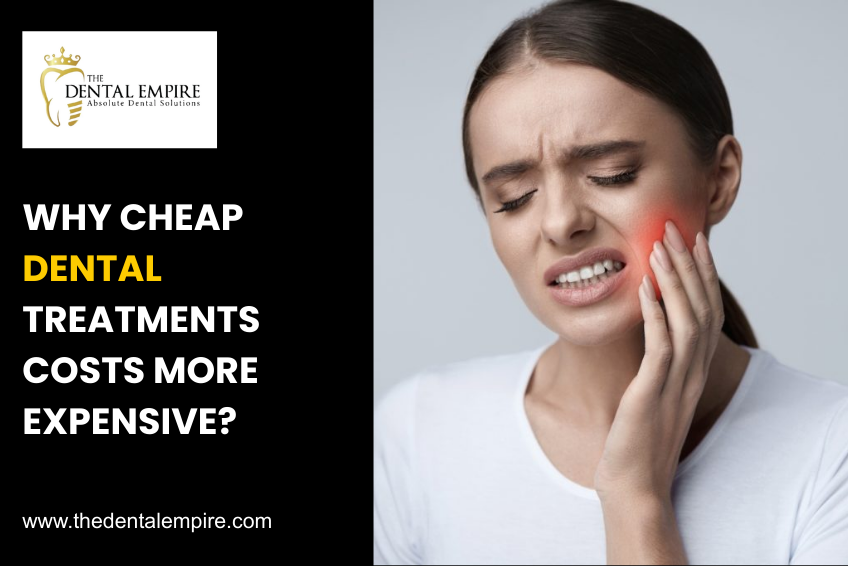
When it comes to dental care, many patients are tempted by low prices and “too good to be true” offers. At first glance, saving money on a dental procedure feels like a smart decision. However, the reality is often very different. Why cheap dental treatments costs more expensive? The answer lies in quality, expertise, safety standards, and long-term outcomes.
Choosing low-cost dental services without evaluating the clinic’s standards can lead to complications, repeated treatments, discomfort, and even permanent damage. In the end, what seemed affordable initially may cost double—or even triple—the original price.
Let’s explore why cheap dental treatments can become far more expensive in the long run.
1. Low-Quality Materials Can Compromise Your Health
One of the biggest reasons cheap dental treatments become costly later is the use of low-quality materials. Dental fillings, crowns, veneers, whitening agents, and braces all require certified, medical-grade products.
Some low-cost clinics may:
- Use substandard filling materials that wear out quickly
- Apply crowns made from weak or poorly fitted materials
- Use whitening gels that cause sensitivity or uneven results
- Install braces components that are not durable
When inferior materials are used, the treatment may fail prematurely. This means you will need replacements, corrections, or even additional procedures to fix the damage.
High-quality dental materials are expensive for a reason—they are safe, durable, and tested for long-term performance.
2. Lack of Experience Leads to Costly Mistakes
Another major reason behind the question, “Why cheap dental treatments costs more expensive?” is the lack of professional experience.
Dental procedures require precision and clinical expertise. An inexperienced practitioner may:
- Misdiagnose the actual problem
- Place fillings incorrectly
- Perform root canals incompletely
- Damage surrounding teeth or gums
- Create bite alignment issues
Correcting dental mistakes is often more complicated than doing the treatment properly the first time. Patients frequently end up visiting reputable clinics later to fix poorly executed procedures.
These corrective treatments can be far more expensive than the original service.
3. Hidden Costs & Repeat Visits
Cheap treatments often come with hidden expenses. Some clinics advertise low initial prices but later add charges for:
- Consultation fees
- X-rays
- Follow-up visits
- Medication
- Adjustments or repairs
Additionally, if the procedure fails or causes discomfort, you may require multiple follow-ups. The repeated visits not only cost money but also waste valuable time.
In contrast, quality dental care focuses on long-term results, minimizing the need for frequent corrections.
4. Short-Term Fix Instead of Long-Term Solution
Budget dental clinics sometimes focus on quick fixes rather than addressing the root cause of the problem. For example:
- Treating pain without investigating the underlying infection
- Placing temporary solutions instead of permanent restorations
- Avoiding proper sterilization protocols to cut costs
This approach may temporarily relieve symptoms but can lead to more serious complications later—such as infections, tooth loss, or gum disease.
When problems escalate, advanced treatments like implants or surgeries may become necessary—significantly increasing the overall expense.
5. Hygiene & Sterilization Risks
Proper sterilization equipment and infection control measures are essential in dentistry. Maintaining high hygiene standards requires investment in modern equipment and trained staff.
Some low-cost clinics may compromise on:
- Sterilization protocols
- Disposable materials
- Equipment maintenance
This not only increases the risk of infections but also exposes patients to serious health complications. Medical complications are far more expensive—both financially and emotionally—than choosing a trusted clinic from the beginning.
The Smart Choice: Quality Over Cheap Deals
Instead of focusing solely on price, patients should prioritize:
- Dentist qualifications and experience
- Clinic hygiene standards
- Quality of materials used
- Transparent pricing
- Long-term treatment planning
This is where The Dental Empire stands apart.
The Dental Empire – A Trusted Solution
At The Dental Empire, patient safety, precision, and premium quality are never compromised. The clinic understands that dental health is a long-term investment—not a temporary expense.
Here’s how they ensure value for money:
✔ High-Quality Certified Materials
Only internationally approved, medical-grade materials are used for fillings, crowns, whitening, implants, and other treatments.
✔ Experienced Dental Professionals
Skilled and qualified dentists perform every procedure with precision and care, minimizing risks and ensuring long-lasting results.
✔ Transparent Pricing
No hidden charges. Patients receive clear treatment plans and cost breakdowns before starting.
✔ Advanced Technology
Modern equipment allows accurate diagnosis and effective treatment, reducing the chance of complications.
✔ Strict Sterilization Protocols
Hygiene and infection control are maintained at the highest standards, ensuring patient safety.
Investing in Your Smile Saves Money
Your smile is one of your most valuable assets. Trying to save a small amount today by choosing the cheapest option can lead to major expenses tomorrow.
When you ask, “Why cheap dental treatments costs more expensive?” the answer becomes clear:
- Inferior materials fail quickly
- Inexperience leads to mistakes
- Complications require correction
- Poor hygiene risks your health
- Temporary fixes cause long-term damage
Choosing a reputable clinic like The Dental Empire ensures that treatments are done correctly the first time—saving you stress, time, and money in the future.
Final Thoughts
Dental care should never be treated as a bargain purchase. While affordability matters, quality and expertise matter more. The real cost of cheap dentistry is often hidden until complications arise.
Protect your health. Protect your smile. Choose trusted professionals who prioritize long-term results over short-term savings.
Because in dentistry, quality care is not an expense—it’s an investment.